- Home
- Rabat Salé Kenitra
- Rabat
ABOUT RABAT
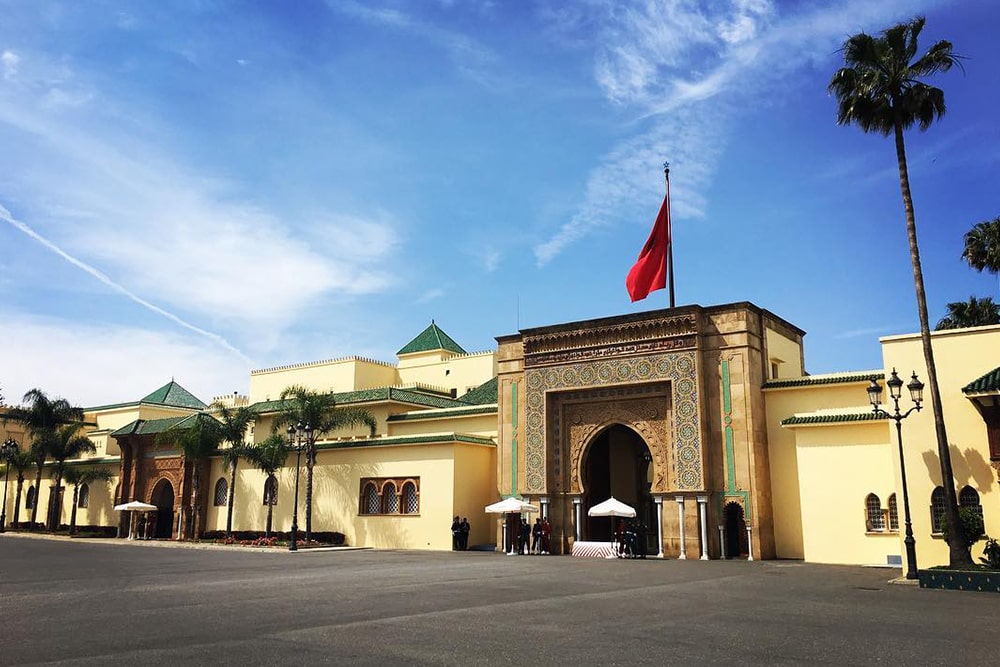
Rabat has been the capital of Morocco since the period of the Protectorate (1912–1956). It is the political, administrative, and diplomatic capital of the country and is also home to the Royal Palace of His Majesty King Mohammed VI. Its location on the Atlantic coast, at the mouth of the Bouregreg River, makes it a beautiful city that combines the modernity of its infrastructure with a rich historical heritage.
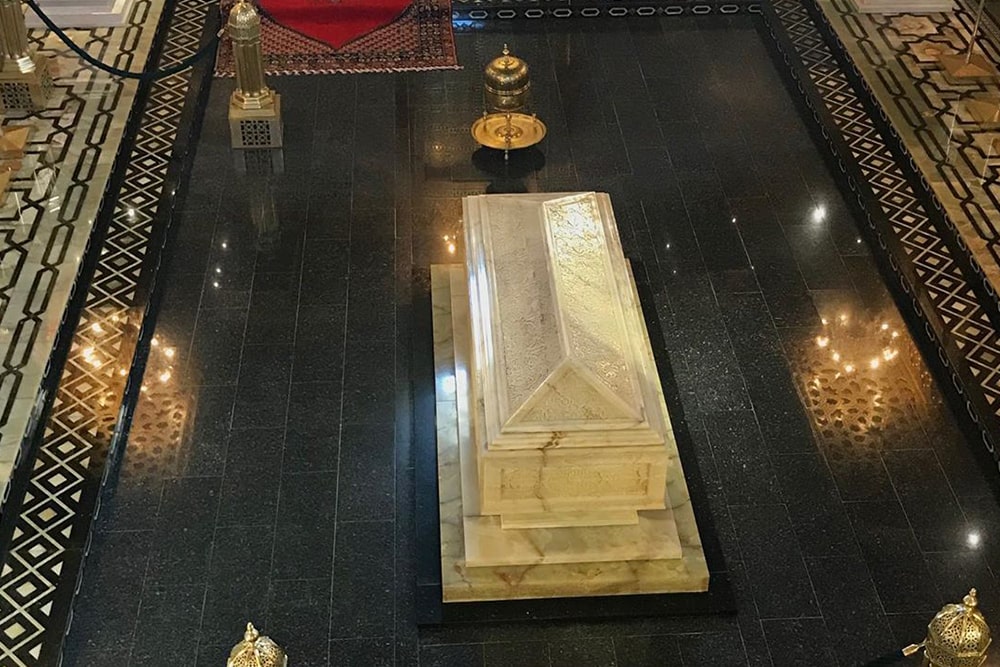
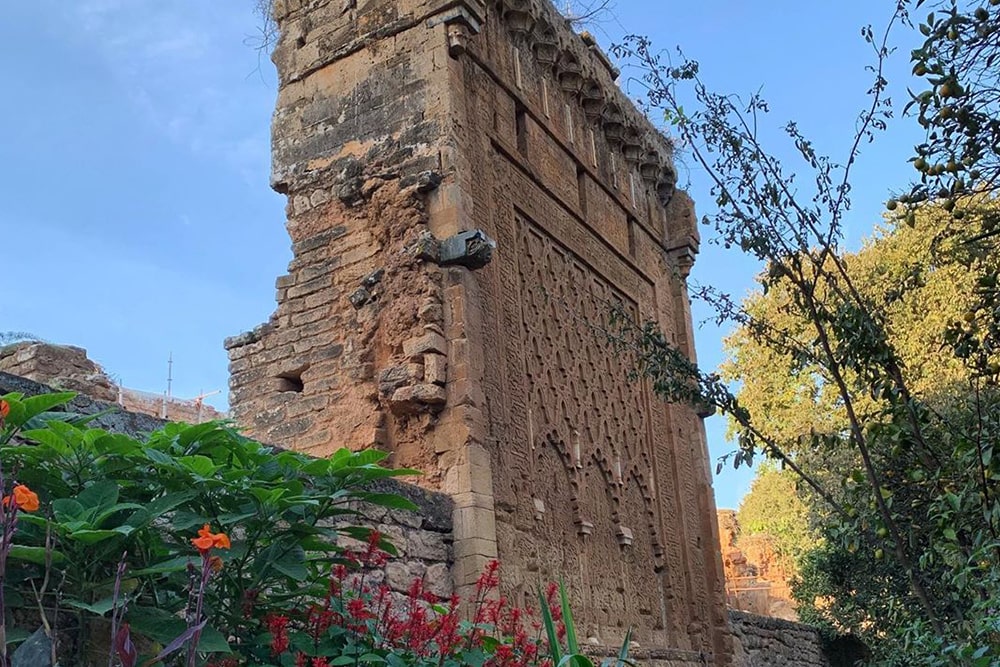
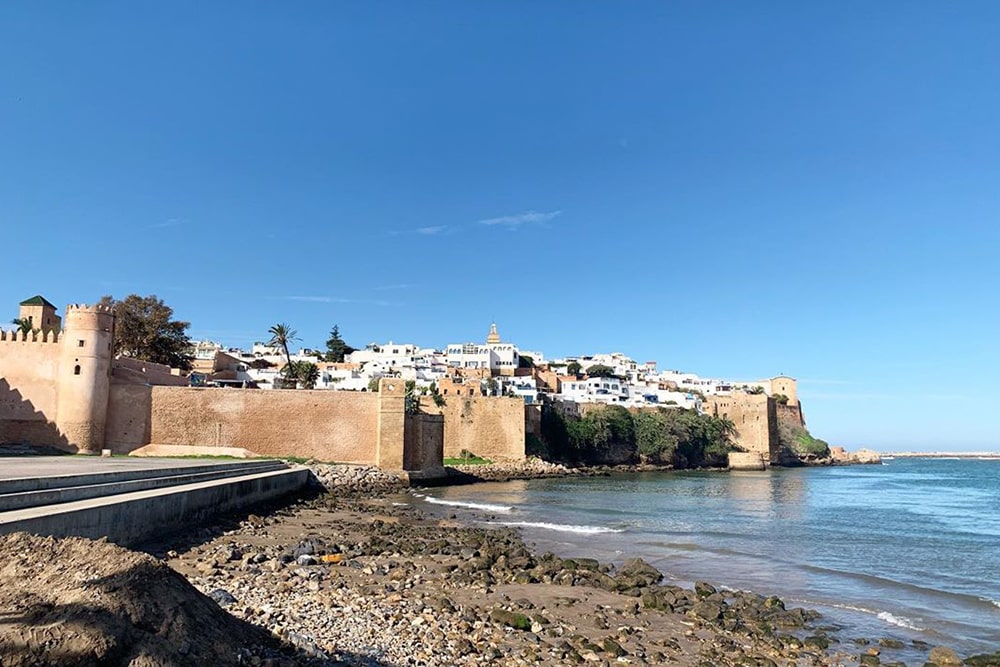
Among its historic monuments are the Hassan Tower, an iconic symbol of Rabat, and the remarkable Mausoleum of Mohammed V. There is also the famous Kasbah of the Oudayas, a UNESCO World Heritage Site, known for its blue-and-white alleyways and its splendid view over the Atlantic Ocean, not to mention the archaeological site of Chellah.
The other side of Rabat is its modernity, with infrastructure such as the tramway, Bus Rapid Transit (BHNS) projects, railway tunnels for the high-speed train (TGV), the modernization of Rabat-Ville railway station, the large Ibn Sina University Hospital, the strengthening of the modern road network, wide boulevards, green spaces, and above all a rich and very active cultural life. The Mohammed VI Museum of Modern and Contemporary Art highlights Moroccan and international artists. The city also hosts many festivals throughout the year, such as the Mawazine Festival, which attracts world-renowned artists and thousands of visitors.
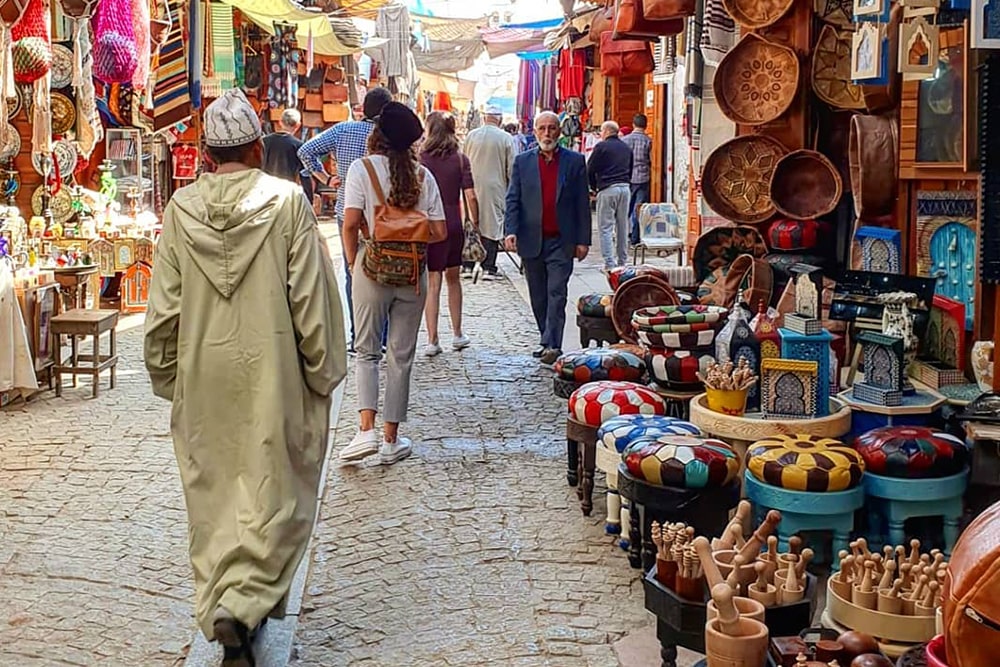
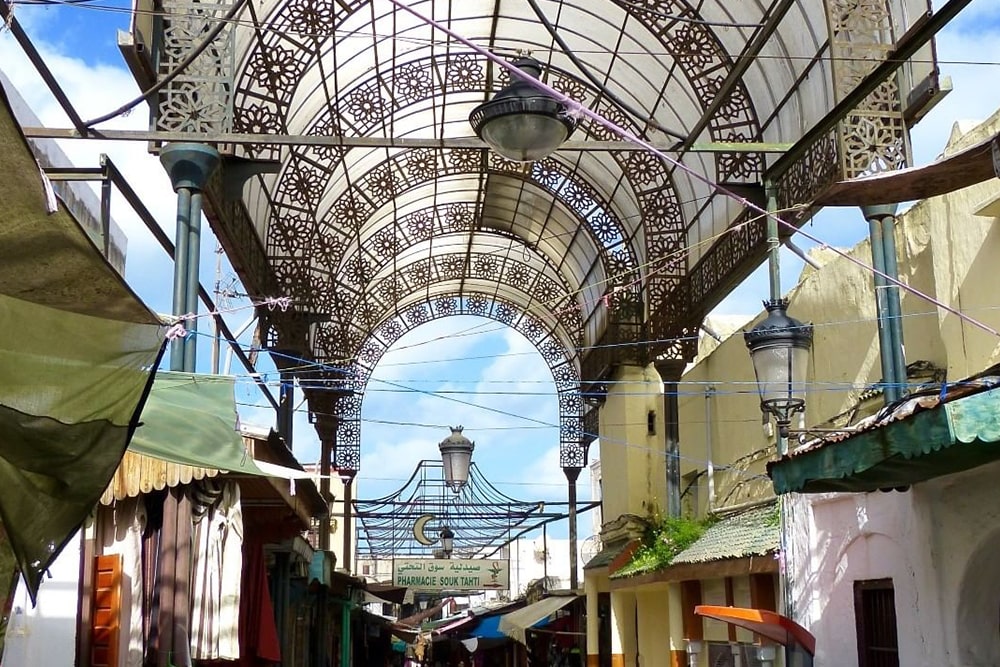
Rabat is also known for its cleanliness, safety, and quality of life. It is considered one of the most pleasant cities to live in Morocco. With its clean and calm medina, visitors can discover traditional craftsmanship and souks.
Thanks to the Bouregreg Valley development project, Rabat has opened up further toward Salé, with a modern marina, leisure areas, and recent infrastructure. The tramway facilitates transportation and connects the main districts of Rabat and Salé, enhancing the urban dynamism of the capital.
Rabat is also a university and diplomatic city, welcoming students from all over the country and abroad. This diversity contributes to its openness and cosmopolitan atmosphere. Between tradition and modernity, Rabat embodies a peaceful, cultural capital oriented toward the future.
Sign In to publish a review
More about Rabat
The Mohammed V Mausoleum
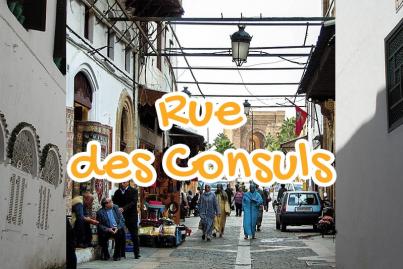
Rue Des Consuls

The National Zoological Garden
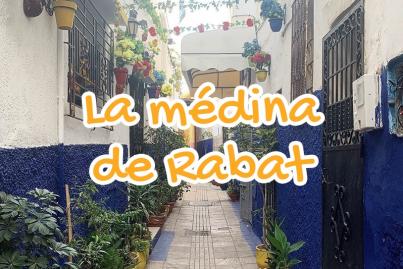
The Medina Of Rabat
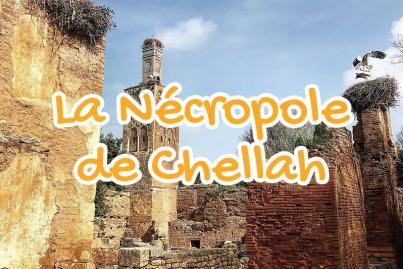
The Chellah
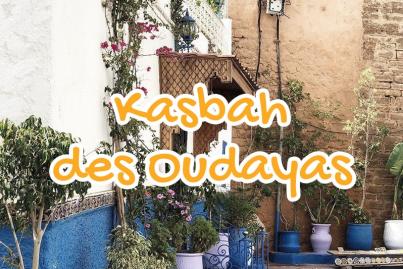
The Kasbah Of The Oudayas
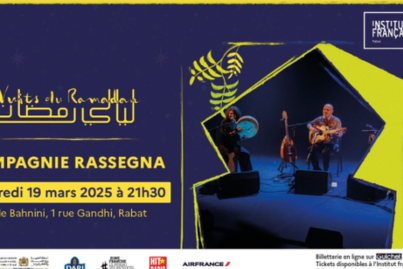
The Nights Of Ramadan - Compagnie Rassegna
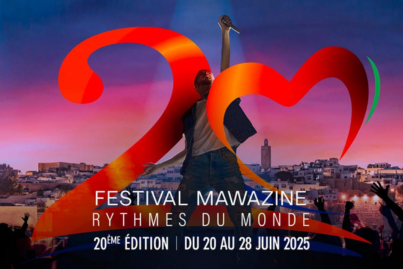
Mawazin Rhythms Of The World Festival 20Th Edition

Mawazine Confirms The Dates Of Its 2019 Programming !

Wanda-Diamond-League-2025
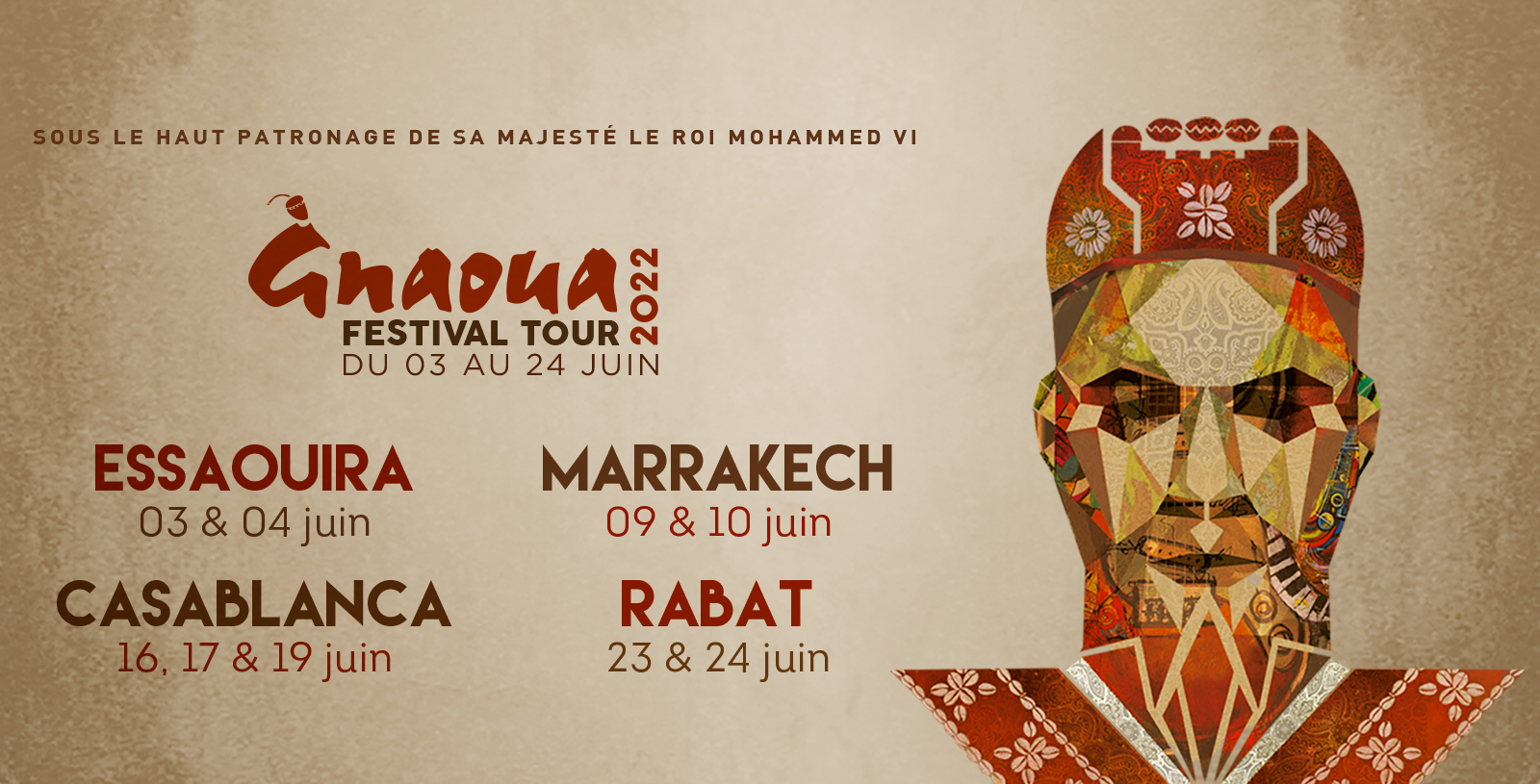
Gnaoua Festival Tour 2022 In Essaouira, Marrakech, Casablanca And Rabat
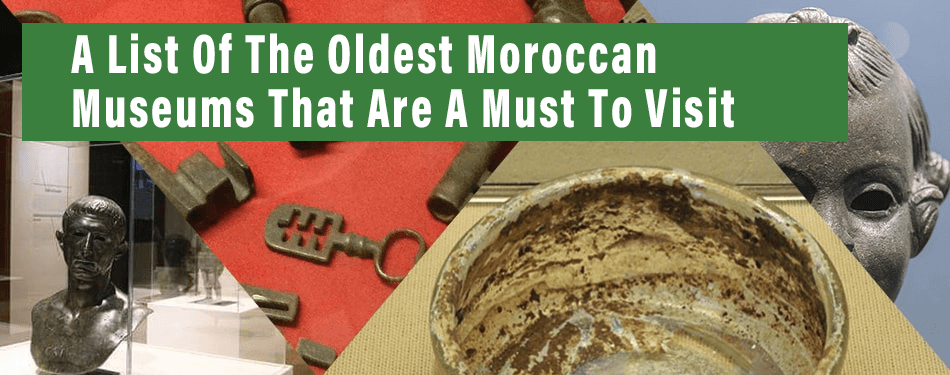
A List Of The Oldest Moroccan Museums That Are A Must To Visit
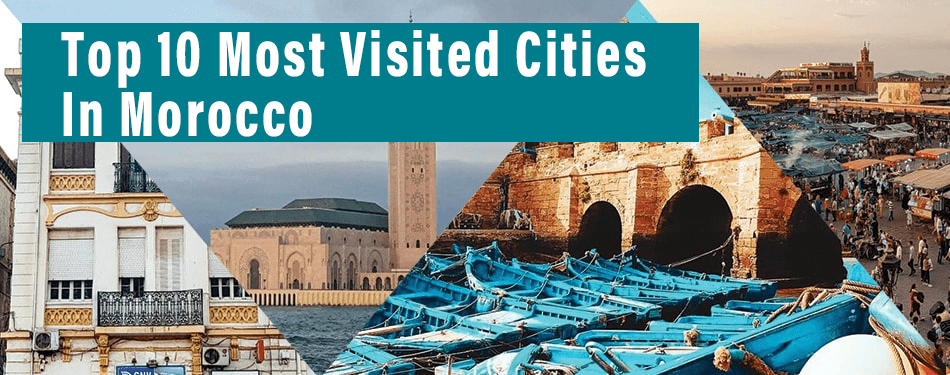
Top 10 Most Visited Cities In Morocco

Royal Golf Dar Es Salam Rabat
Cities of the region Rabat Salé Kenitra

Skhirat
Sidi Kacem
Kenitra
Salé